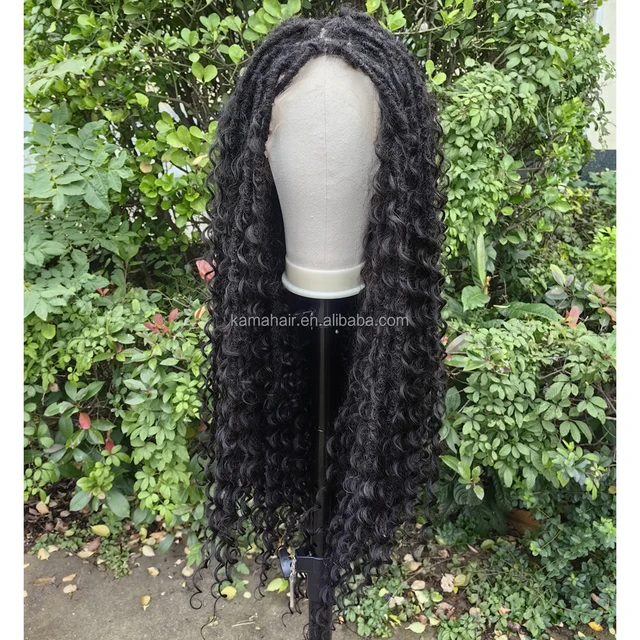
Two units can share the same hair origin, the same density and the same cap dimensions, yet behave completely differently on a client's head. The variable is how the hair is attached to the base.
1. Hand-Tied Ventilation
A hand-tied unit is ventilated knot by knot, which allows the artisan to orient each hair, graduate density by zone and create parting areas that move in any direction. It is the construction that makes a seamless hairline possible, and it is also the most labour-intensive, which is why it belongs in bespoke and clinical work rather than high-turnover retail stock.
2. Machine Wefting and Its Proper Place
Machine wefts are dense, consistent and cost-efficient. They are the correct choice for volume behind a lace front or for bundles that a stylist sews into a custom cap. Where machine wefting gets into trouble is at the perimeter: a flat weft seam at the hairline is visible under tension and cannot be bleached into the skin.
3. Choosing by Client, Not by Price
Ask three questions before quoting construction: does the client want to part the hair off-centre or pull it into an updo, how often will the unit be washed, and is the scalp sensitive or post-treatment. If any answer touches the hairline or the scalp, hand-tied ventilation is not a luxury upgrade — it is the specification that keeps the unit wearable.